

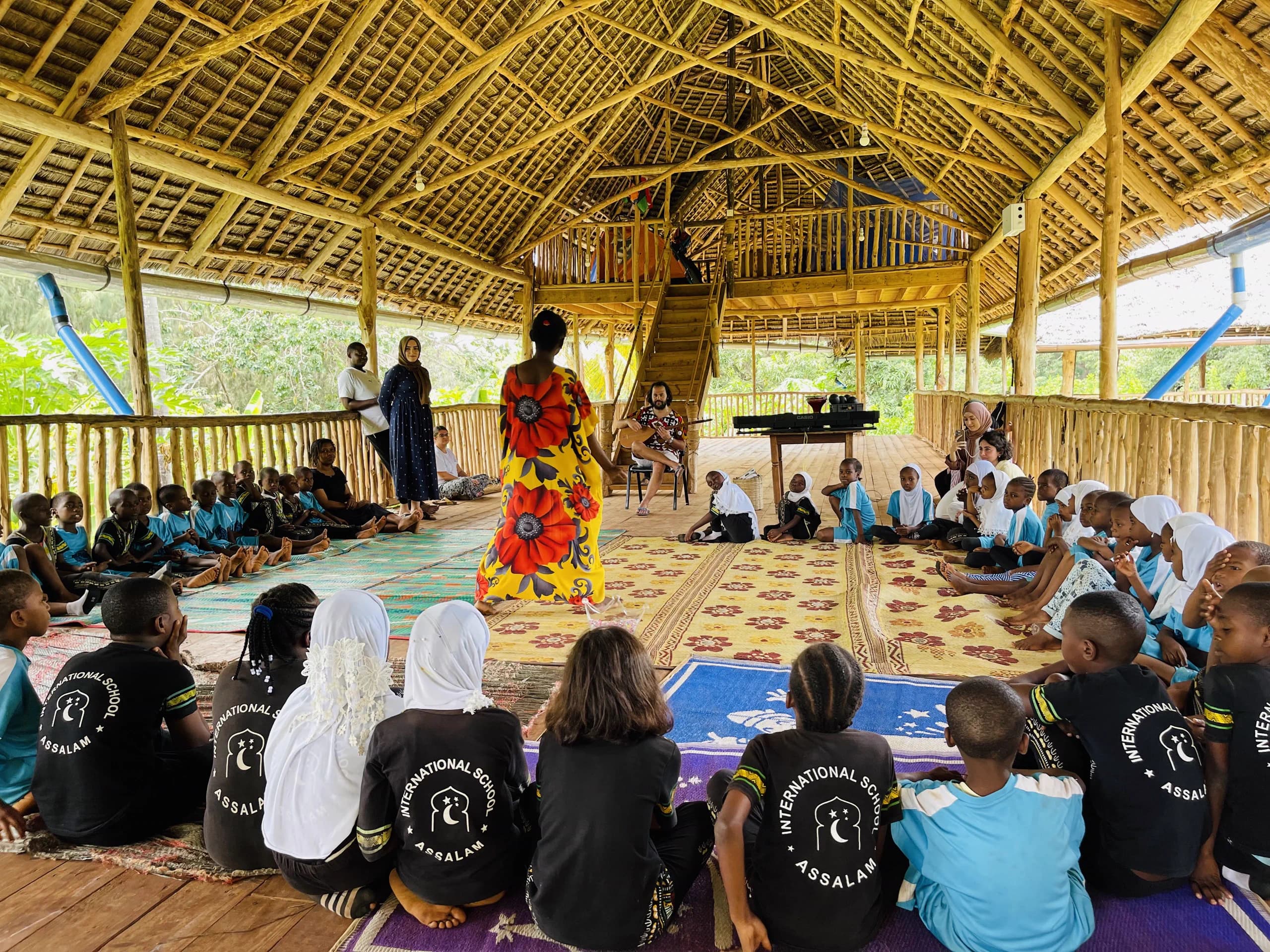
06 · Living PEACE Village
School Gardens
Living systems
Gardens turn soil, food, science and environmental care into a classroom that changes with every season.
What this experience reveals
From an idea to a lived experience.
School Gardens sit where education and permaculture meet. The supplied narrative follows learners restoring difficult soil with swales, mulch and compost, while Assalam's chronology places school participation within the Regreening Zanzibar initiative launched in April 2026.
- Outdoor learning
- Food-system literacy
- Soil and plant science
- Care for shared resources
Published record
Each figure keeps its own scope so programme totals, site facts and future ambitions are not confused.
- 20+
- School permaculture gardens
- Organization-provided figure · since 2017
- 3,500+
- Students equipped through STEAM
- Across Zanzibar · organization-provided figure
- 3,000+
- Indigenous trees planted
- Across Assalam's environmental work
Evidence noteThe 20+ gardens, 3,500+ students and 3,000+ indigenous trees are organization-provided programme figures. Garden-level participation, survival and yield data are not yet published.
Inside this experience
Knowledge made visible.
Three ways this part of the village connects inherited knowledge, practical learning and community life.
Narrative supplied by Assalam in July 2026, with education figures checked against the 2025 annual report and the Regreening Zanzibar milestone checked against the chronology.
01
Reading the soil
A difficult site becomes the lesson.
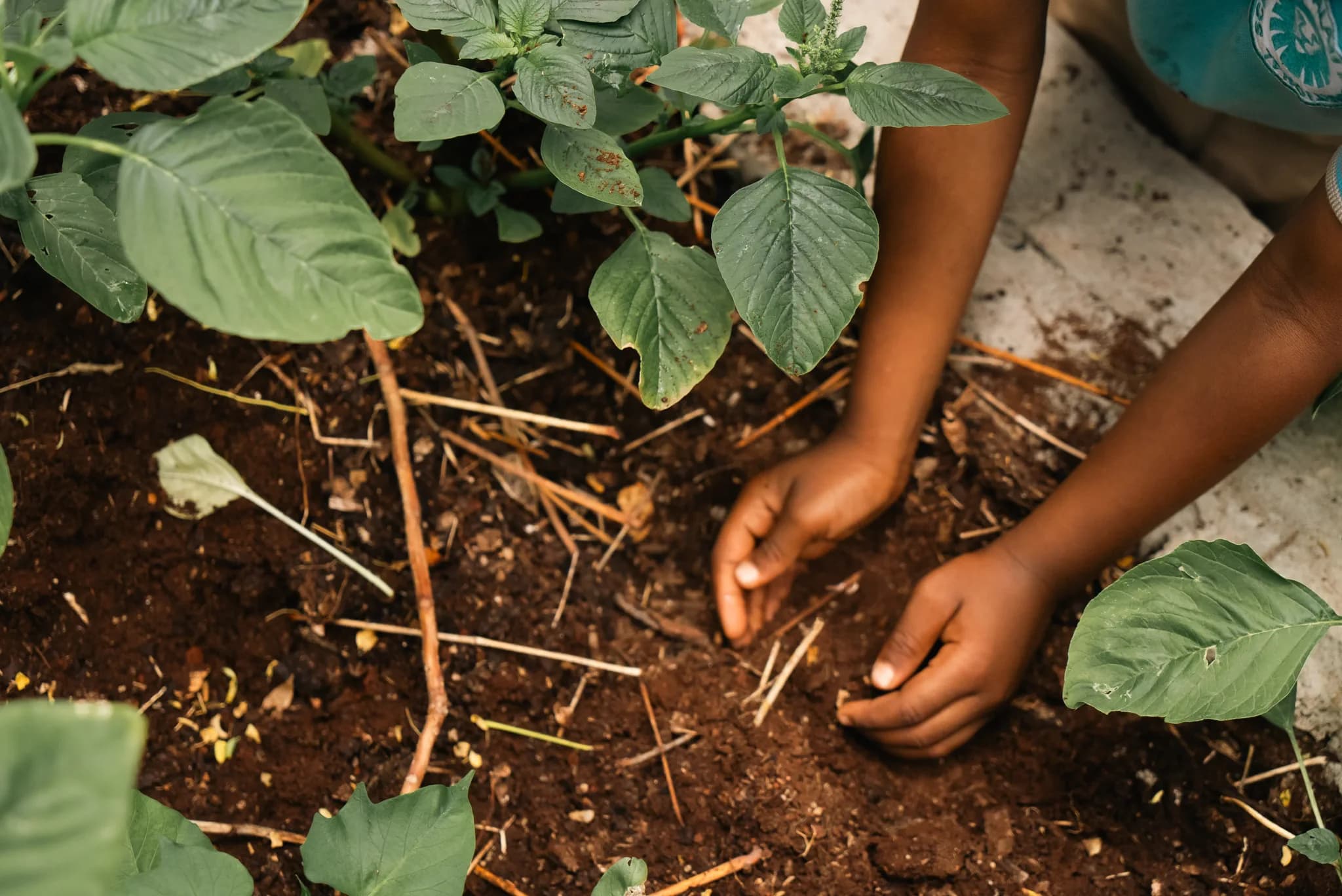
The supplied story begins with saline, compacted ground rather than an ideal garden. Learners and facilitators use swales, mulch and compost to slow water, protect the surface and rebuild organic matter over time.
That process makes uncertainty useful: students can observe which interventions work, which plants cope and how soil responds across seasons.
Site-specific soil-test results and before-and-after yields have not yet been published.
02
The outdoor classroom
Science that grows in front of students.
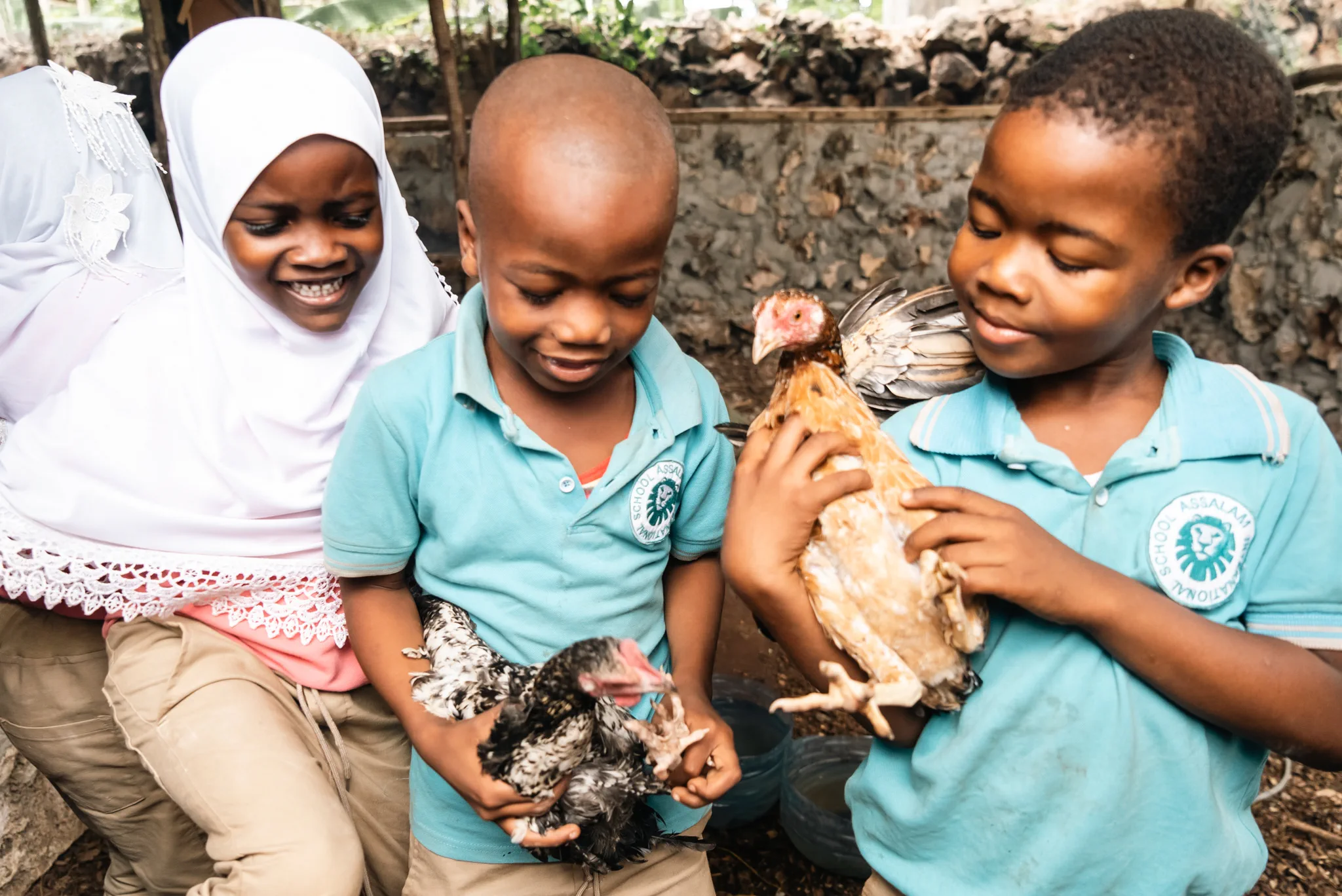
A school garden brings plant biology, water cycles, food systems and shared responsibility into one place that learners can revisit.
Assalam's wider education programme reports substantial STEAM participation and increased interest in science; those are programme-wide results, not garden-only outcomes.
03
A wider network
From one plot to a culture of care.
In April 2026, Assalam's chronology records the launch of Regreening Zanzibar across nine regions, alongside collaboration with TABIO and Howden. School communities are part of the intended network for fruit and spice tree planting and practical environmental learning.
The next evidence step is to publish a verified garden register showing active sites, planting dates, survival rates and participating schools.
Pictures and source record
Authentic Assalam imagery and the supplied annual-report record keep the experience connected to real work.
All 12 experiences, one connected village.
Open the village directory