08 · Living PEACE Village
Spice Route Museum
Knowledge and heritage
A sensory route through spice, memory and living knowledge - interpreted through people, objects and participation.
What this experience reveals
From an idea to a lived experience.
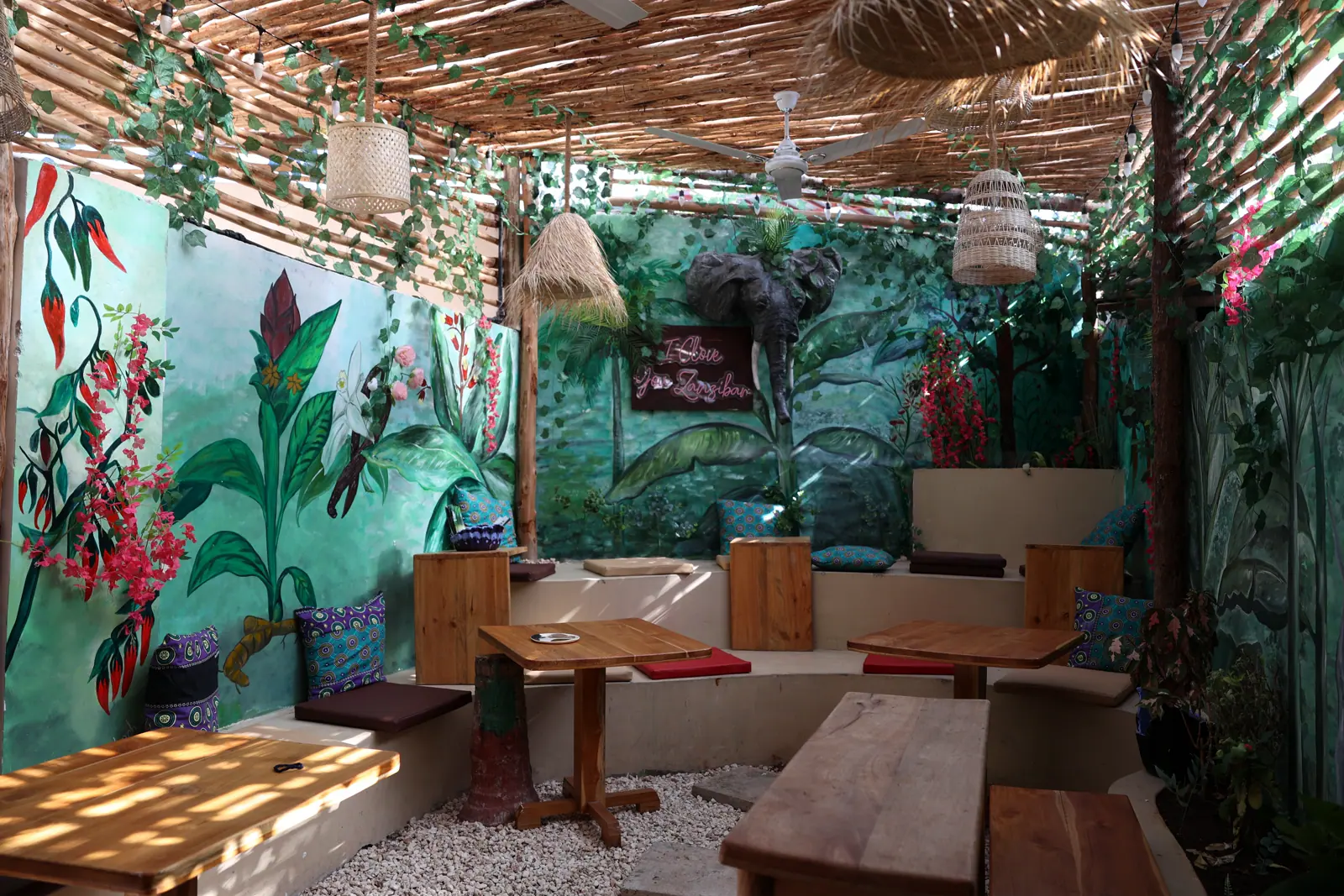
Opened in August 2025, the Spice Route Museum is presented as an interactive place to encounter Zanzibar's cultural knowledge through people and practice. The annual report places the museum within Assalam's Arts & Culture work and includes Mahir's first-person reflection on being seen and valued there.
- Participatory heritage
- Spice and material culture
- Creative workshops
- A space for inclusion and belonging
Published record
Each figure keeps its own scope so programme totals, site facts and future ambitions are not confused.
- Aug 2025
- Spice Route Museum opened
- Assalam chronology through June 2026
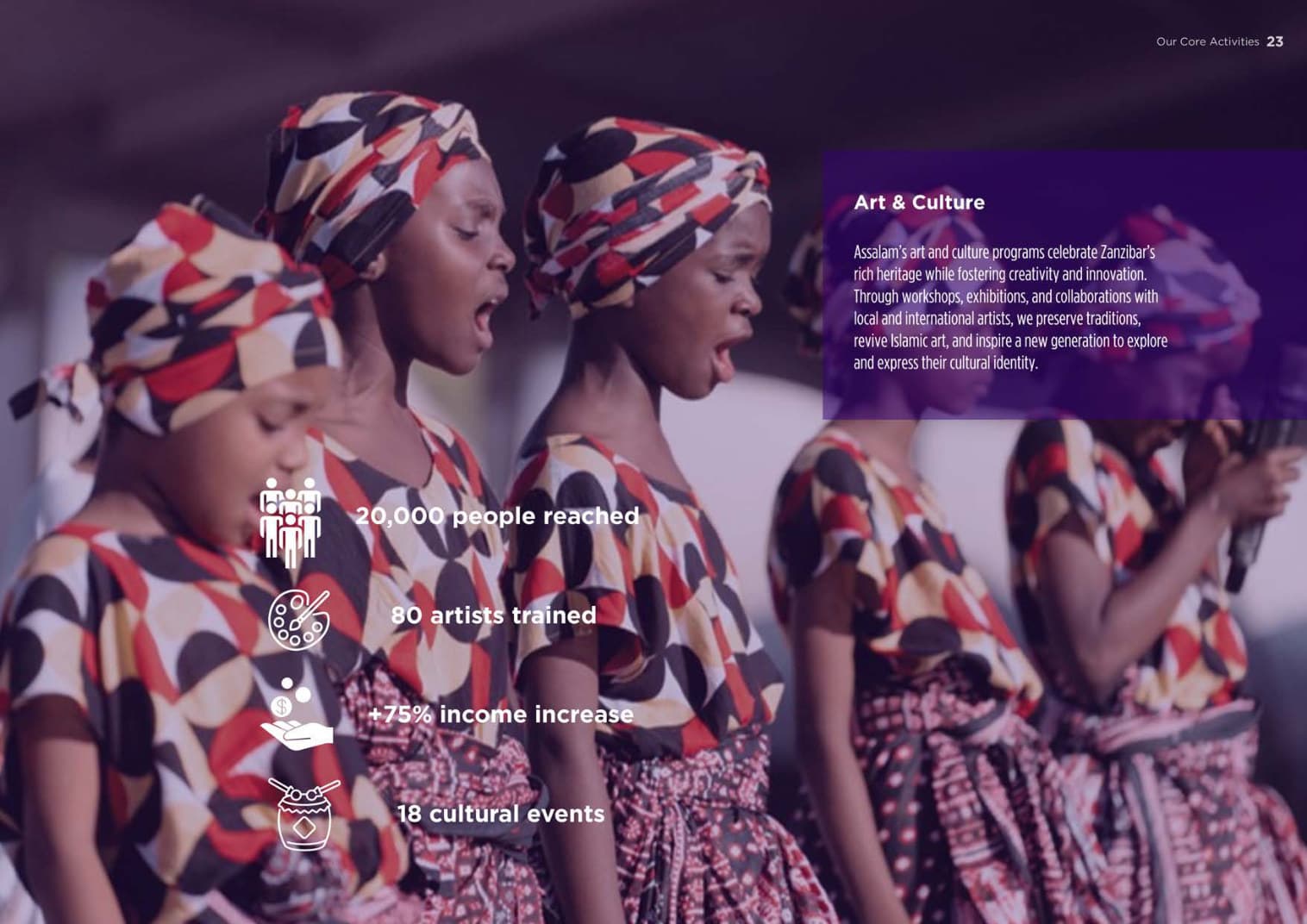
- 20,000
- People reached
- Arts & Culture programme-wide in 2025
- 18
- Cultural events
- Assalam Annual Impact Report 2025, page 22
Evidence noteThe museum opening date is chronology-based. Reach and event figures describe the full 2025 Arts & Culture programme; museum-only attendance, guide participation and revenue are not yet published.
Inside this experience
Knowledge made visible.
Three ways this part of the village connects inherited knowledge, practical learning and community life.
Narrative supplied by Assalam in July 2026, with the opening date checked against the chronology and programme figures checked against the 2025 annual report.
01
A sensory history
Heritage encountered through the senses.
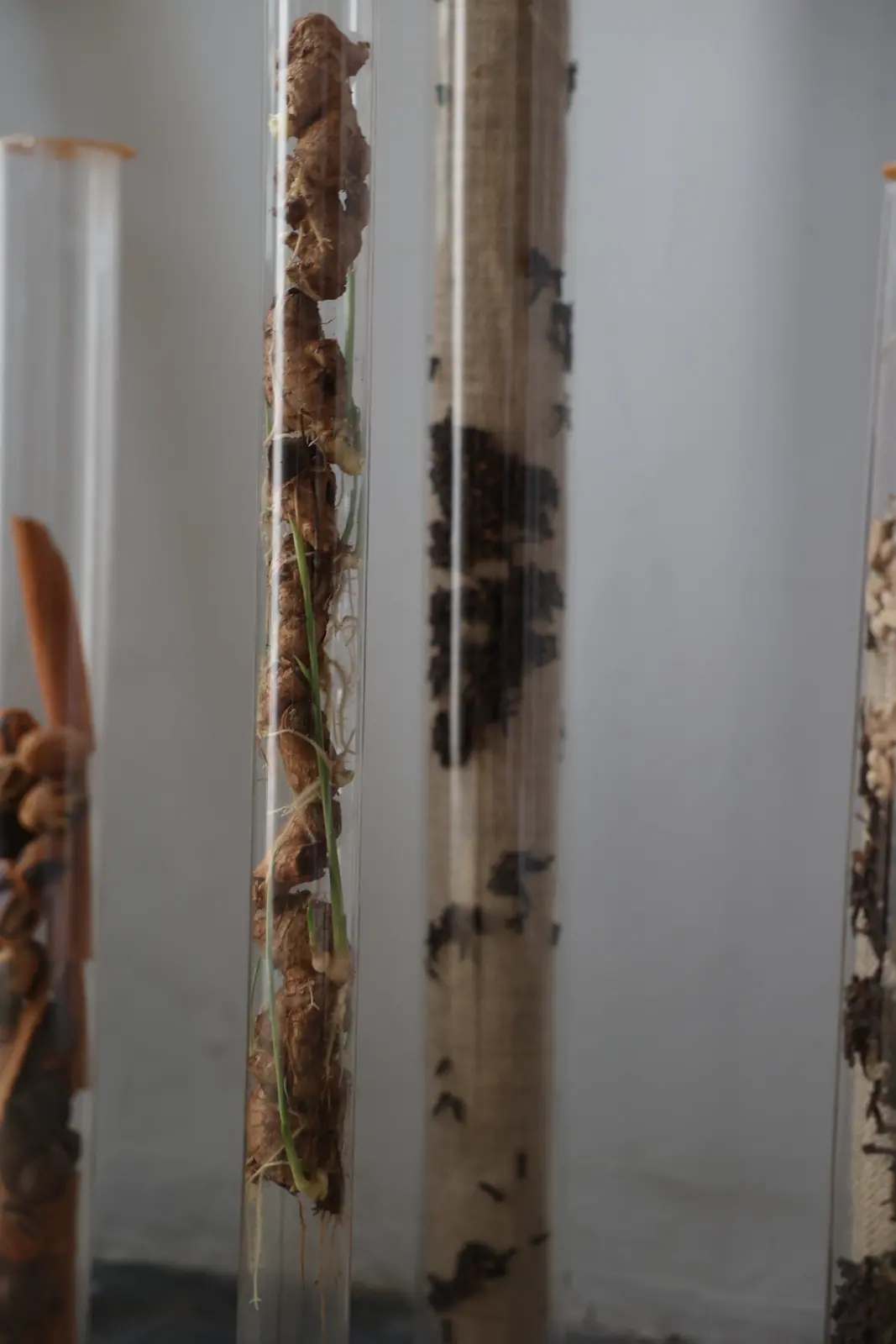
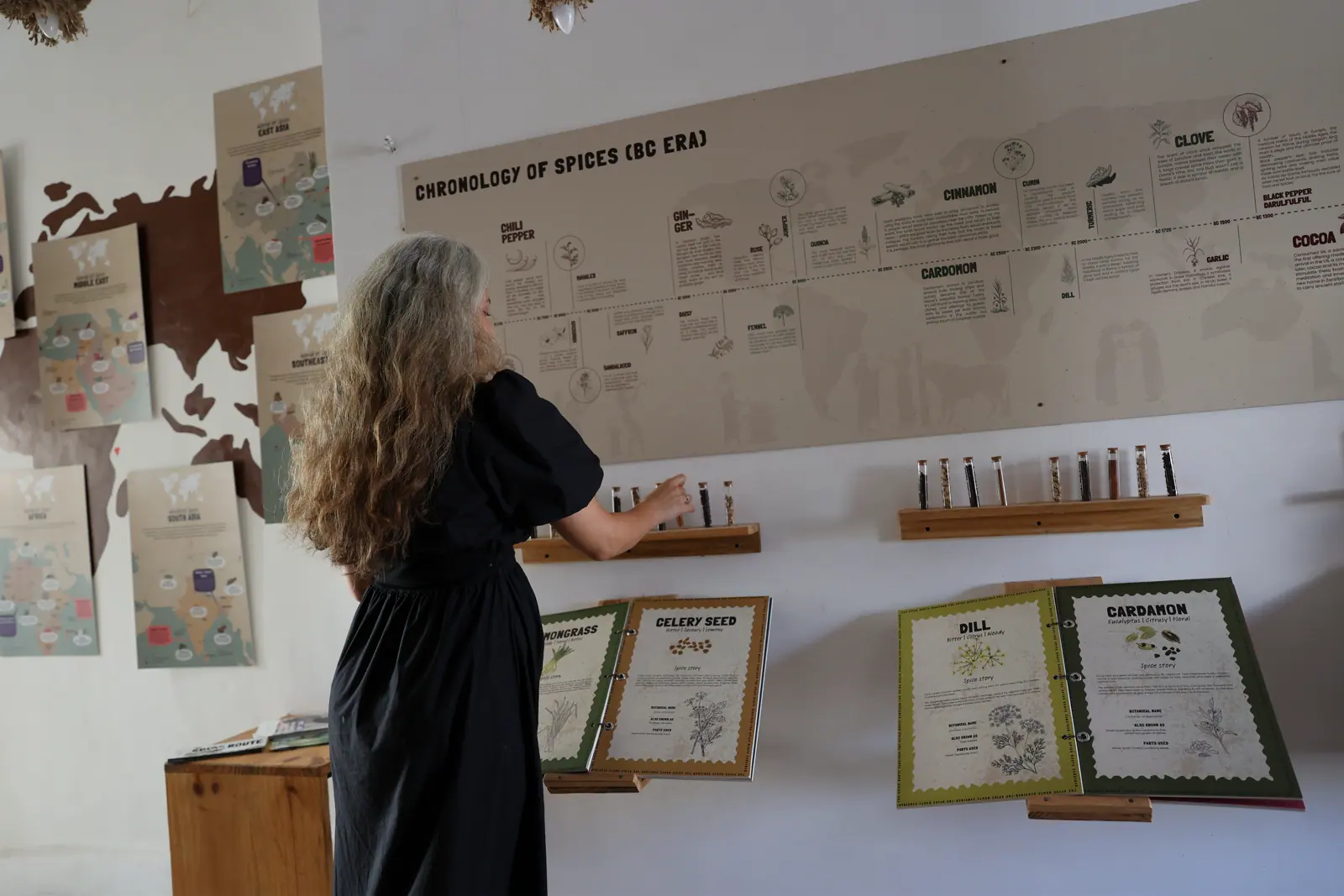
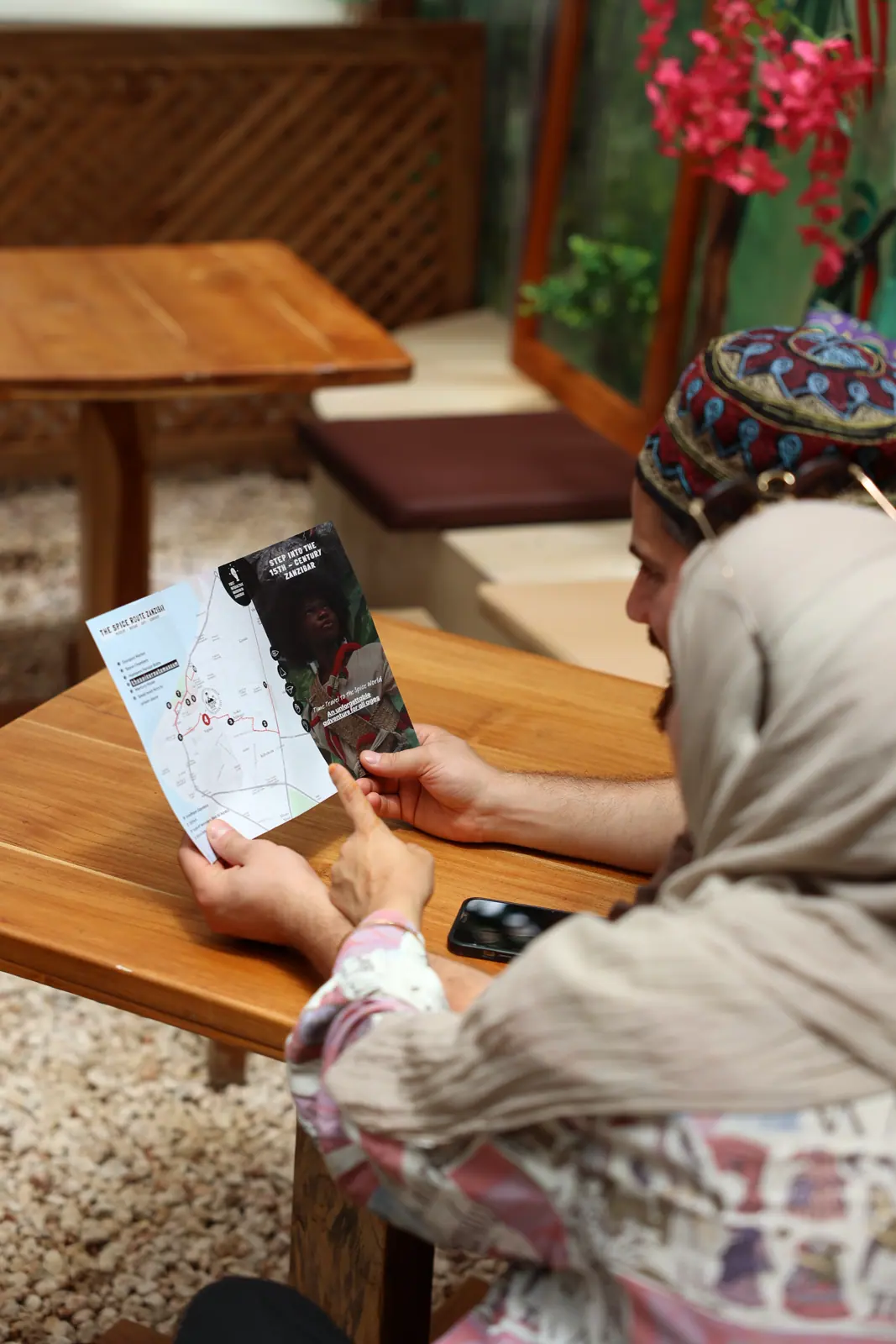
The museum treats Zanzibar's spice history as something to smell, touch, discuss and remember rather than simply read behind glass.
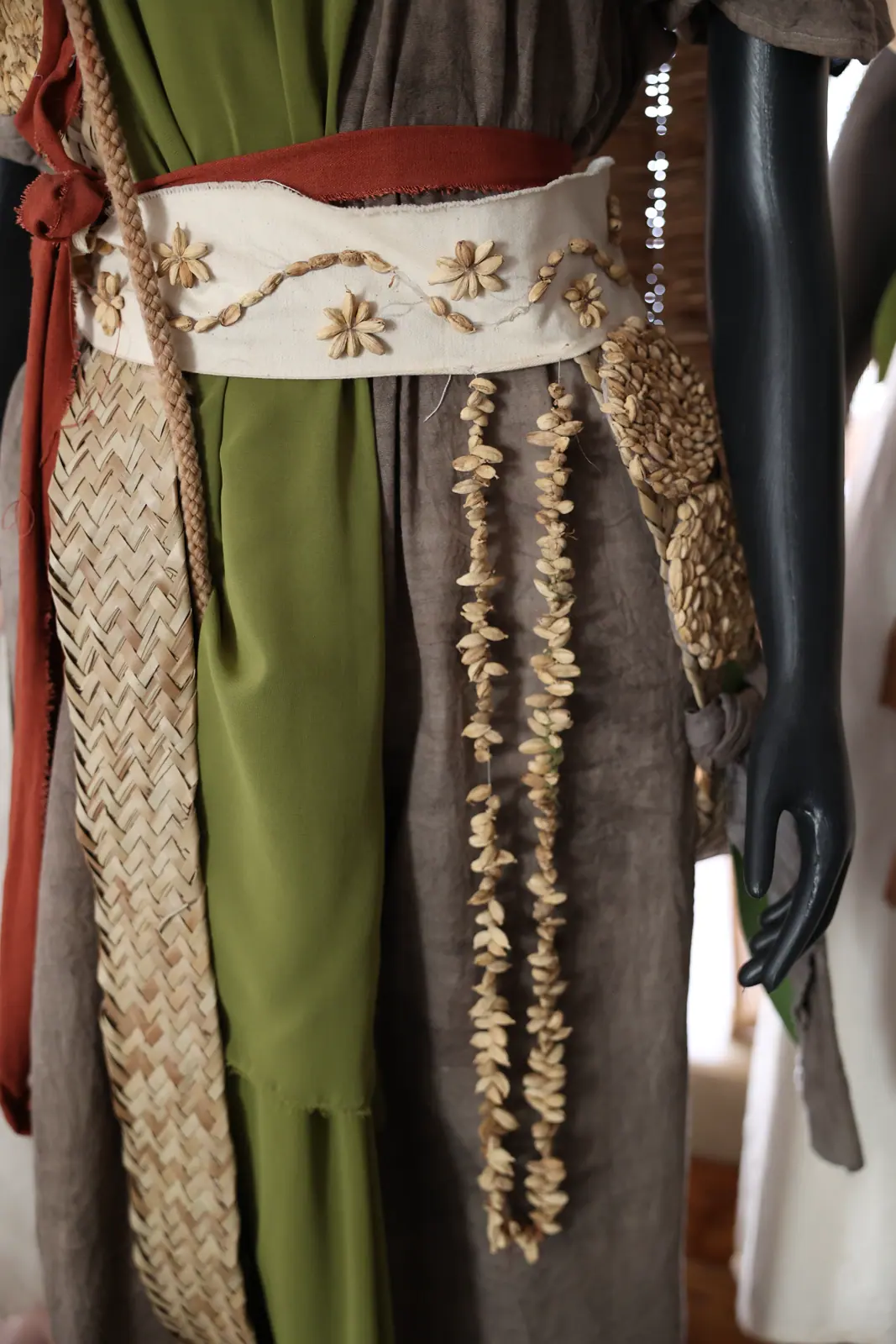
Plants, ingredients, tools and personal stories connect global trade histories to the everyday knowledge held in homes and communities.
02
Knowledge has a voice
Guided by people, not only objects.
The supplied narrative centres local guides and participants as interpreters of the collection. Their knowledge gives context to how spices are grown, prepared, valued and carried between generations.
That approach keeps culture active: the museum becomes a setting for exchange rather than a fixed account of the past.
03
From heritage to enterprise
Making continues beyond the exhibition.
Assalam links the museum experience to a bazaar and to community-made products, creating a bridge between cultural interpretation, creative skill and local enterprise.
The website will publish product sourcing and artisan-income figures when a museum-specific record is available.
Pictures and source record
Look closer.
Authentic Assalam imagery and the supplied annual-report record keep the experience connected to real work.
All 12 experiences, one connected village.
Open the village directory