

04 · Living PEACE Village
Rainwater Harvesting
Living systems
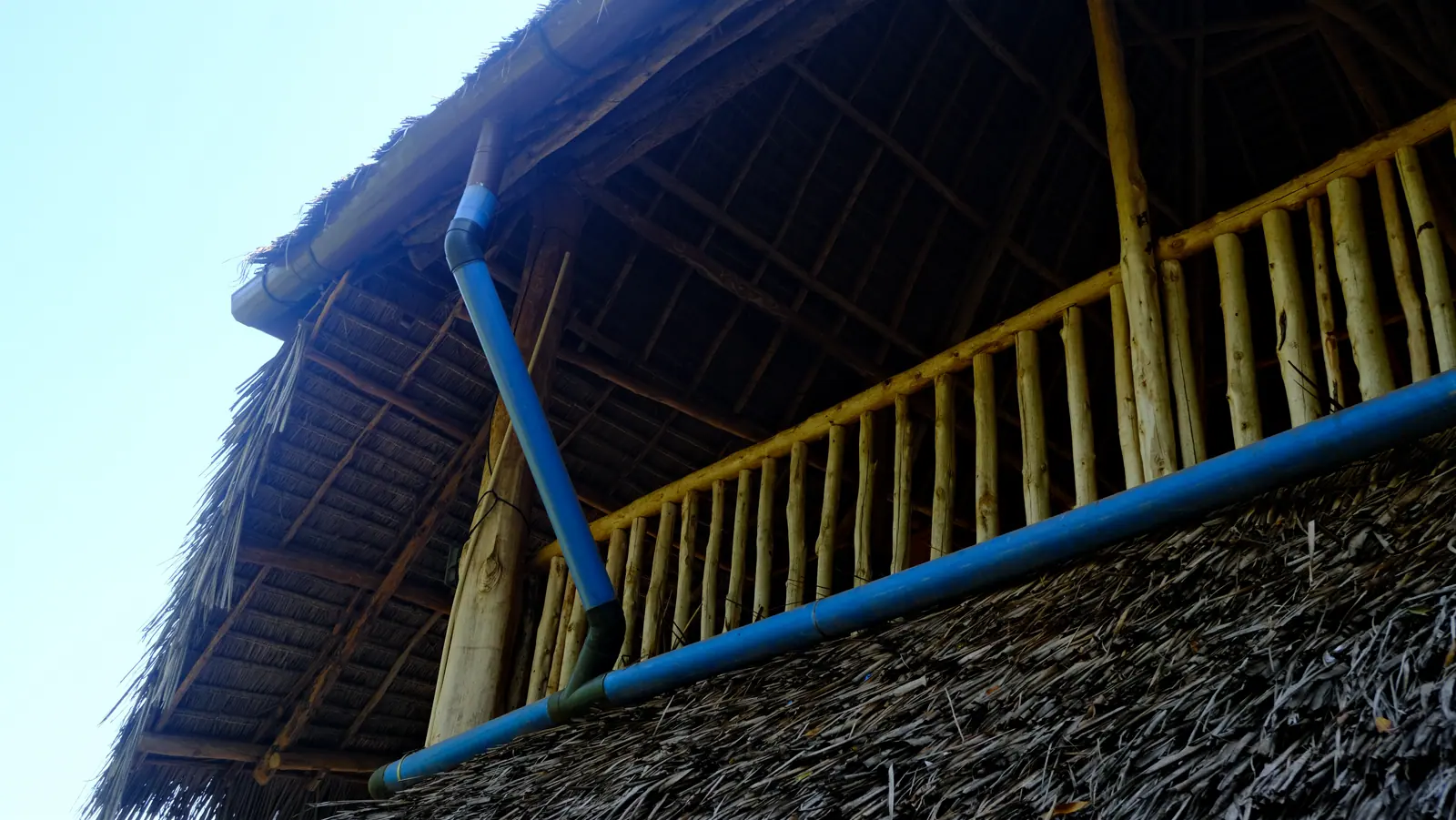
Roofs, gutters and storage make the movement of rain visible - and turn water infrastructure into a practical climate lesson.
What this experience reveals
From an idea to a lived experience.
This stop follows a simple question: what happens to rain when it reaches a building? Assalam's published record documents rainwater storage alongside expanded freshwater access, while the supplied page narrative describes an upgrade that uses school roofs as catchments and makes the system legible to learners.
- Rain collection and storage
- Water use in growing systems
- Freshwater access
- A practical climate-resilience lesson
Published record
Each figure keeps its own scope so programme totals, site facts and future ambitions are not confused.
- 2
- Rainwater harvesting tanks installed
- Assalam Annual Impact Report 2025, page 17
- 500 L
- Capacity of each reported tank
- Assalam Annual Impact Report 2025, page 17
- Expanded
- Freshwater access
- Through government-approved pipelines
Evidence noteThe annual report confirms two 500-litre tanks and expanded freshwater access. It does not yet publish annual collection volume, catchment area, water quality results or site-level savings.
Inside this experience
Knowledge made visible.
Three ways this part of the village connects inherited knowledge, practical learning and community life.
Narrative supplied by Assalam in July 2026 and checked against the infrastructure figures in the 2025 annual report.
01
The catchment
A roof becomes part of the water system.
The supplied design narrative describes gutters and leaf guards collecting rain from school roofs before directing it toward storage. That makes the roof more than shelter: it becomes the first visible step in a water cycle.
Keeping the route visible helps visitors and students understand where collected water comes from and why clean inlets and regular maintenance matter.
The upgraded catchment area, installation date and expected annual yield are not yet documented in the published evidence.
02
Storage and use
Holding rain for a drier moment.
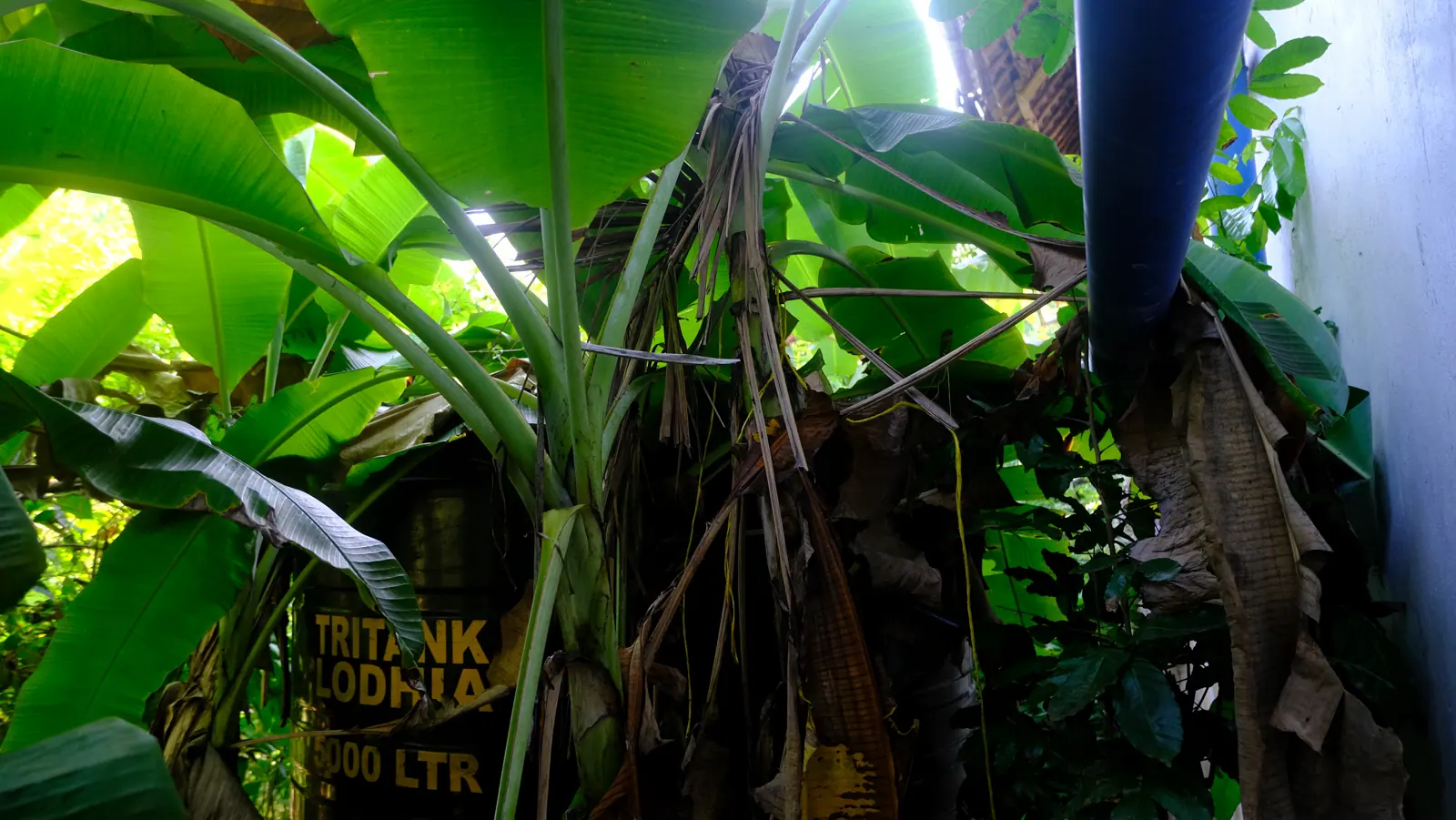
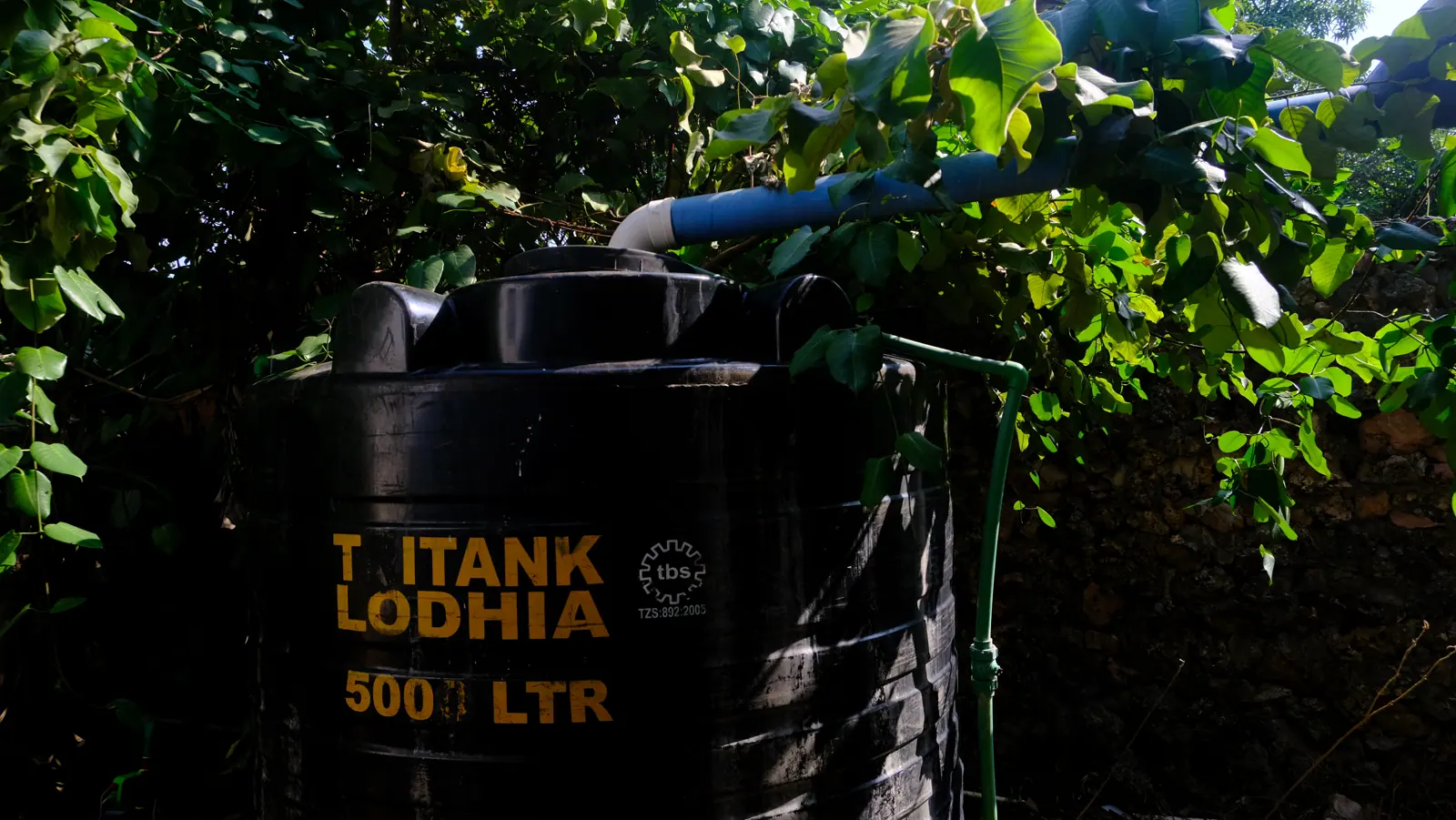
Assalam's annual report confirms dedicated rainwater storage. The tanks create a small buffer between a rainfall event and the moment water is needed.
The tanks sit within a wider water story that includes government-approved freshwater pipelines and the needs of gardens, learning spaces and daily campus life.
03
A living classroom
Infrastructure people can read.
Students can trace the system from roof to gutter to tank, connecting weather, design and responsible use in one physical lesson.
That educational role is as important as the hardware: water stewardship becomes something learners can observe, question and help maintain.
Pictures and source record
Authentic Assalam imagery and the supplied annual-report record keep the experience connected to real work.
All 12 experiences, one connected village.
Open the village directory